
Easy 3 to 4 Day Treks in Nepal With Great Mountain Views (2026 Guide)
Last updated: August 14, 2026
.png)
Kathmandu, Nepal
Short Himalayan treks that are genuinely manageable: Panchase, Ghorepani Poon Hill, the Annapurna lodge route, and Dhampus, plus the 2026 guide and permit rules you need to know before you set off.
Most trekking guides for Nepal are written for people with two or three weeks and a pair of well broken in boots. That leaves out a large group of travellers: people with ten days in the country, people in their sixties and seventies, families with children, and anyone who wants Himalayan views and village life without a fortnight of climbing.
The good news is that Nepal has excellent short treks. The less good news is that most articles about them get two things wrong. They call routes “easy” when the walking is anything but, and they skip the rules entirely, which in 2026 can get you turned around at a checkpoint.
This guide covers both.
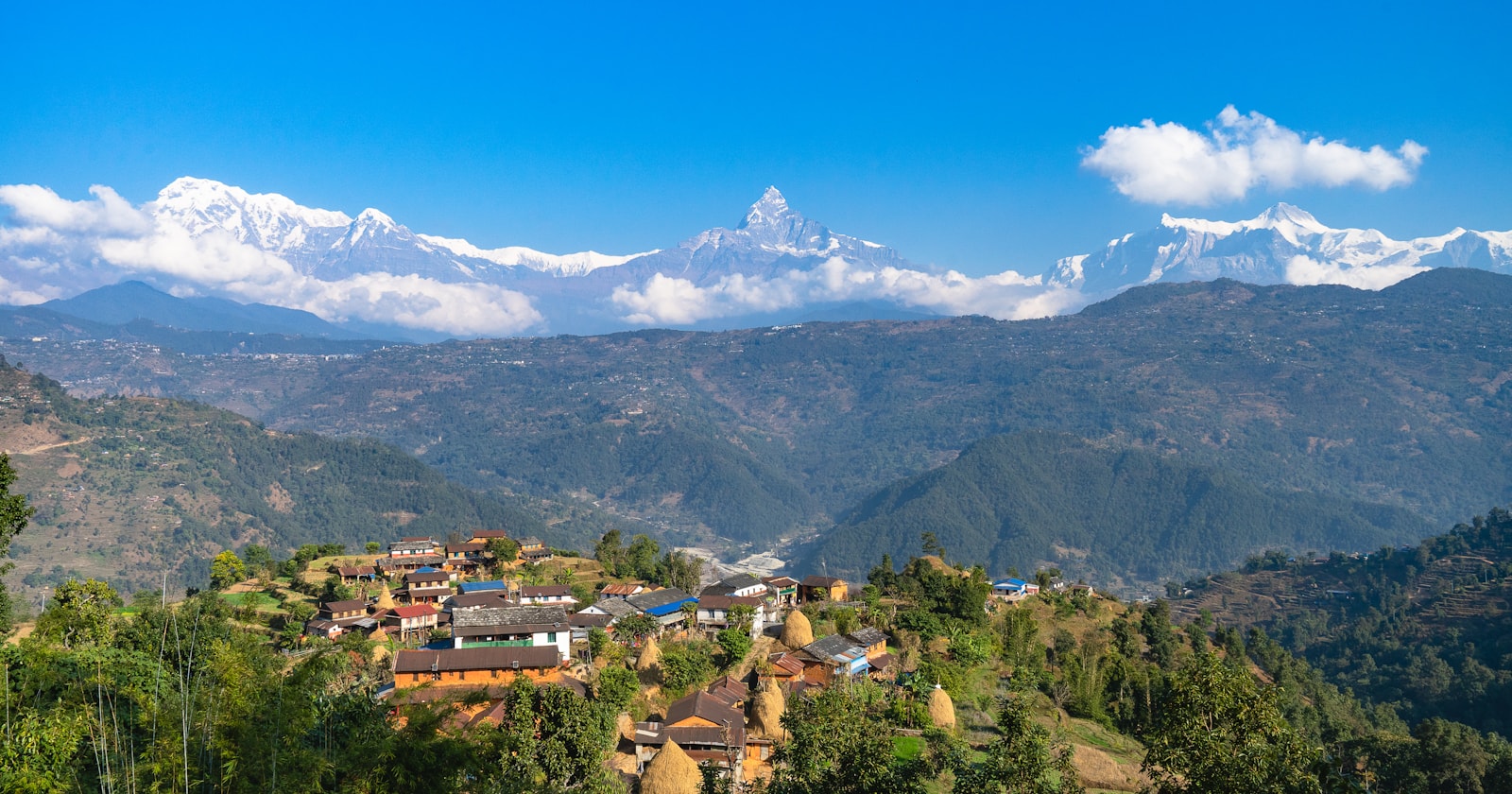
Before anything else: the rules changed
If you read an older blog post, it may not mention this. Two things matter in 2026.
You need a licensed guide. Since April 2023, foreign trekkers have been required to hire a licensed guide for national parks and conservation areas. What changed recently is enforcement. Checkpoints that used to wave people through now check consistently, including digital verification at Birethanti, Ghandruk, Besisahar and Tatopani. This applies to nearly every route in this guide, including the short ones.
To be clear about a common misunderstanding: “mandatory guide” does not mean you must join a group tour. It means one licensed person walks with you. Solo travellers are still very welcome.
Permits moved online. In March 2026, Nepal's Department of Immigration moved trekking permit applications to a digital system. At the same time, solo travellers became eligible for restricted area permits without needing a trekking partner, which was a long standing barrier.
For the routes below you will typically need an ACAP (Annapurna Conservation Area Permit) or the relevant park permit, plus a TIMS card. Your agency arranges these. Ask for copies before you set off, and verify your guide's Nepal Tourism Board licence number.
Entering Nepal first? Read our Nepal tourist visa guide before you book flights.
How to read “easy” in a Nepali context
Nepal has no flat trails. Old trading routes followed the gentlest lines through the hills, which helps, but “gentle” here still means several hundred metres of ascent and descent in a day, often on stone steps.
Three things determine whether a trek is actually easy for you, and they are not the same thing:
- Altitude. Acute mountain sickness generally starts to become a concern above 3,500 metres. Any trek that keeps you below 2,500 metres removes this worry almost entirely.
- Steepness and stairs. This is what most people underestimate, and it matters far more than distance. Nepali trails use stone staircases, and descending them is harder on knees than climbing them.
- Comfort at night. Teahouse rooms are small, thin walled and often unheated. For some travellers this is part of the charm. For others it is the thing that ruins the trip.
A route can score well on altitude and badly on stairs. Poon Hill is the classic example.
The best short treks in Nepal
1. Panchase Trek: the best all round short option
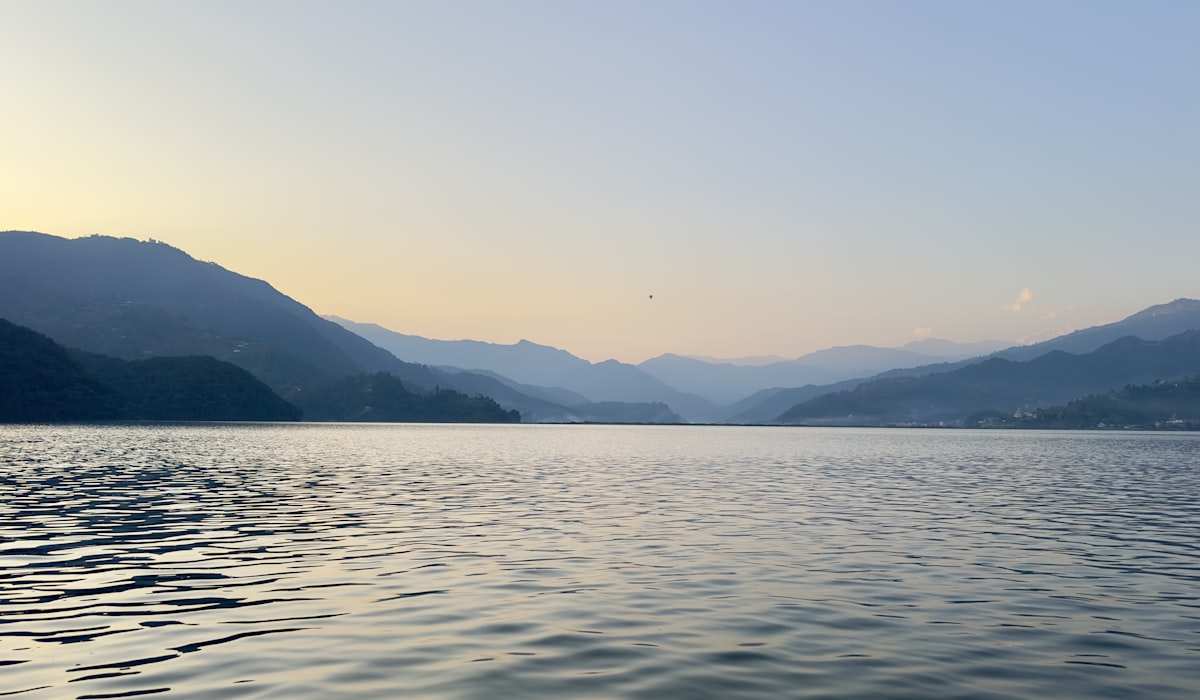
This is the answer to the question most people are actually asking, and it is the one almost nobody suggests.
Panchase sits in the Annapurna region but well away from the main circuit, which means largely empty trails. The trek starts from the Pokhara lakeside by boat across Phewa Lake, so there is no long drive on dusty roads to reach the trailhead. From there you climb through Himalayan villages to the hill station of Panchase, topping out at 2,500 metres.
Low altitude, short duration, real villages, wide views, no crowds, and it begins and ends in Pokhara. It also works well as a warm up if you are planning something bigger later in your trip.
Best for: First time trekkers, older travellers, anyone with limited time who wants quiet trails.
2. Ghorepani Poon Hill: famous for a reason, harder than advertised
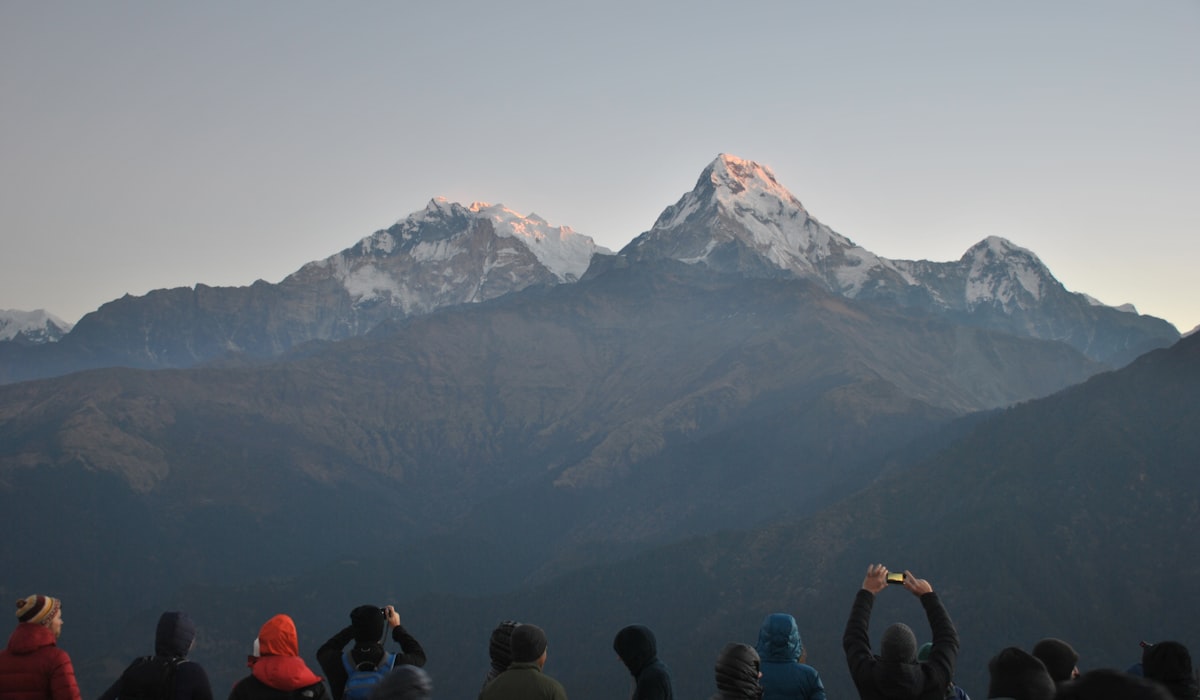
The sunrise from Poon Hill across Dhaulagiri, Annapurna South and Machapuchare is one of the great Himalayan views, and in March the rhododendron forests are in bloom. It deserves its reputation.
Two honest caveats. First, the crowds. On a clear spring morning the viewpoint is busy and noisy. Second, and more importantly, the Ulleri staircase: more than 3,000 stone steps in a single climb. It is the hardest part of the trek by a wide margin, and coming down it is worse for your knees than going up.
You will see this sold as a 3 or 4 day trek. Those versions exist because jeeps now drive trekkers up to Ulleri, Banthanti or Ghandruk, skipping the lower walking sections. That is a legitimate way to do it, not cheating, and for many travellers it turns an unrealistic trip into a good one.
A better route for anyone worried about their knees: take a jeep to Ghandruk, spend the night in the Gurung village, walk Ghandruk to Tadapani to Ghorepani, do the Poon Hill sunrise, then descend to Ulleri and take a jeep out. You get both villages and the sunrise while climbing the worst staircase in the easier direction.
Best for: People who want the classic view and can handle sustained stairs.
3. Annapurna Lodge Trek: comfort over challenge
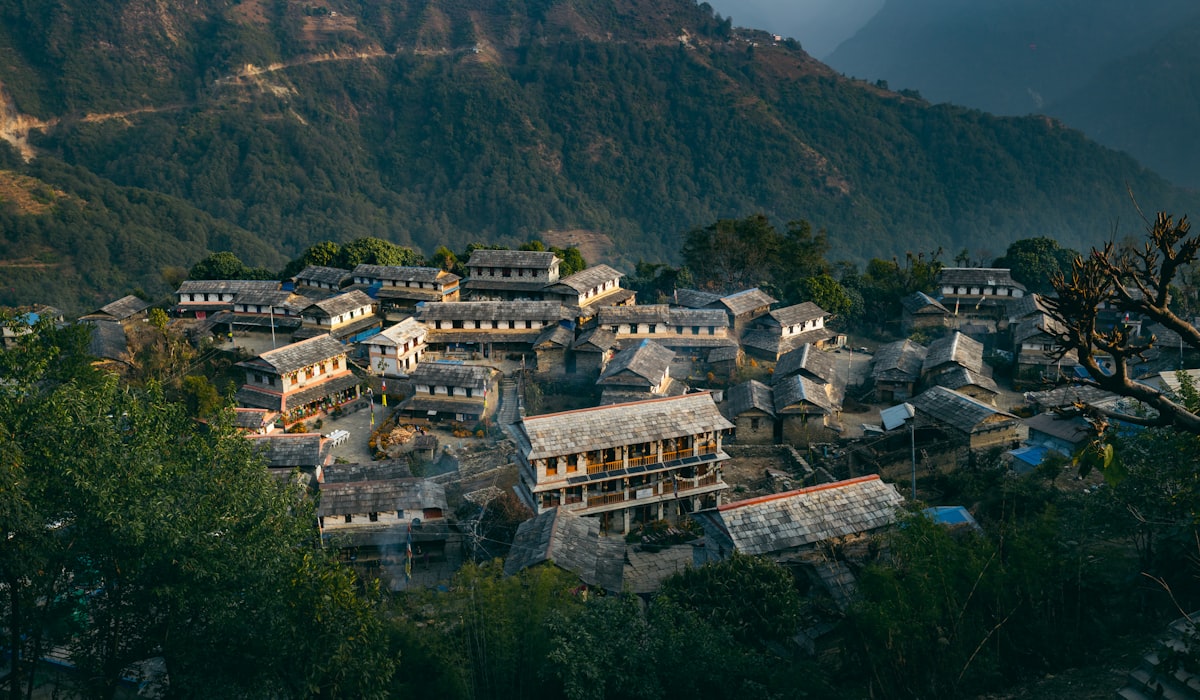
If the idea of a shared bathroom down a cold corridor is what is putting you off trekking, this solves it. A string of lodges in the foothills north of Pokhara links the Gurung villages of Dhampus, Ghandruk, Majgaun, Landruk and Birethanti in a loop, with Machapuchare in view for most of it.
You walk village trails by day and get a hot shower and a proper bed at night. Maximum elevation just above 2,000 metres means no altitude concerns at all. It costs considerably more than teahouse trekking, and for many travellers it is money well spent.
Best for: Travellers who want the scenery and the villages but not the discomfort.
4. Dhampus and Australian Camp: two days, minimal effort
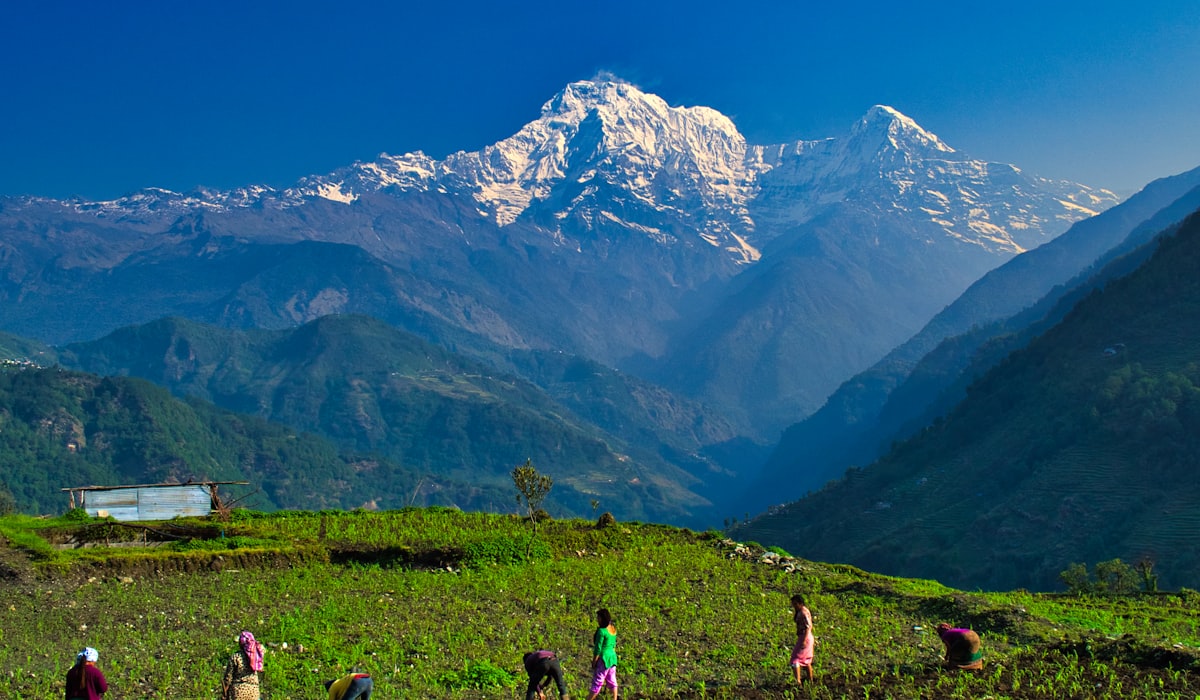
The shortest real option. A gentle walk up to Australian Camp for sunrise over the Annapurnas, with an overnight in Dhampus. This is a walk rather than a trek, and it is often recommended alongside Poon Hill as though the two are comparable. They are not. If you have three days total and limited fitness, this is the realistic choice.
Best for: Very limited time, limited fitness, or a taste of the hills before deciding to do more.
Short does not always mean easy
A warning worth taking seriously. Some three day treks are considerably harder than five day ones.
Ama Yangri near Kathmandu is a good example. It takes three days and is often listed as a short trek, but it climbs to 3,771 metres, involves a summit start at 3.30am, and includes a six to seven hour stretch with no water and no teahouses. It is a fine trek. It is not an easy one.
Always check maximum elevation and daily ascent, not just the number of days.
When to go
- Spring, March to May: The most popular window for short treks. Rhododendrons bloom through the Annapurna foothills, mornings are clear, and temperatures at these elevations are comfortable. Haze can build in the foothills by late March, so start early for the best views.
- Autumn, late September to November: The clearest skies of the year and the most reliable mountain views. Also the busiest.
- Winter, December to February: Cold but often beautifully clear, and low altitude routes like Panchase and Dhampus stay open when higher trails are snowed in.
- Monsoon, June to August: Wet, leeches, cloud, and mountain views that may never appear. Not recommended for these routes.
Planning notes worth knowing
Allow more travel time than the map suggests. Nepal's roads climb and switchback constantly. Fifty kilometres in a straight line can mean a hundred and fifty kilometres of driving. Build in buffer days.
Kathmandu to Pokhara takes six to seven hours by tourist bus or roughly twenty five minutes by flight. All the treks in this guide start from Pokhara.
Pack for stone steps, not distance. Boots with ankle support and good grip matter more than anything else on your list. Trekking poles help enormously on descents, particularly if your knees are a concern.
Step to the hillside when donkey trains pass. This is a safety rule, not just etiquette.
Compare trekking deals and Pokhara stays before you book.
Which one should you choose?
- If you have three or four days and want views, villages and quiet trails: Panchase.
- If you want the famous sunrise and can handle stairs: Poon Hill, ideally starting from Ghandruk.
- If comfort matters more than challenge: the Annapurna lodge route.
- If you have two days or limited fitness: Dhampus and Australian Camp.
Whichever you pick, book through a registered agency, confirm your guide is licensed, and get your permits sorted before you leave Pokhara. Then walk slowly. The hills are not going anywhere.
Rules and permit requirements in Nepal change regularly. This guide reflects the position as of August 2026. Confirm current fees and requirements with the Nepal Tourism Board or your trekking agency before travelling.
Community Responses
Walked one of these routes? Tell other travellers how it went.